Q&A with Dr. Aimee Keith: Eating Disorders

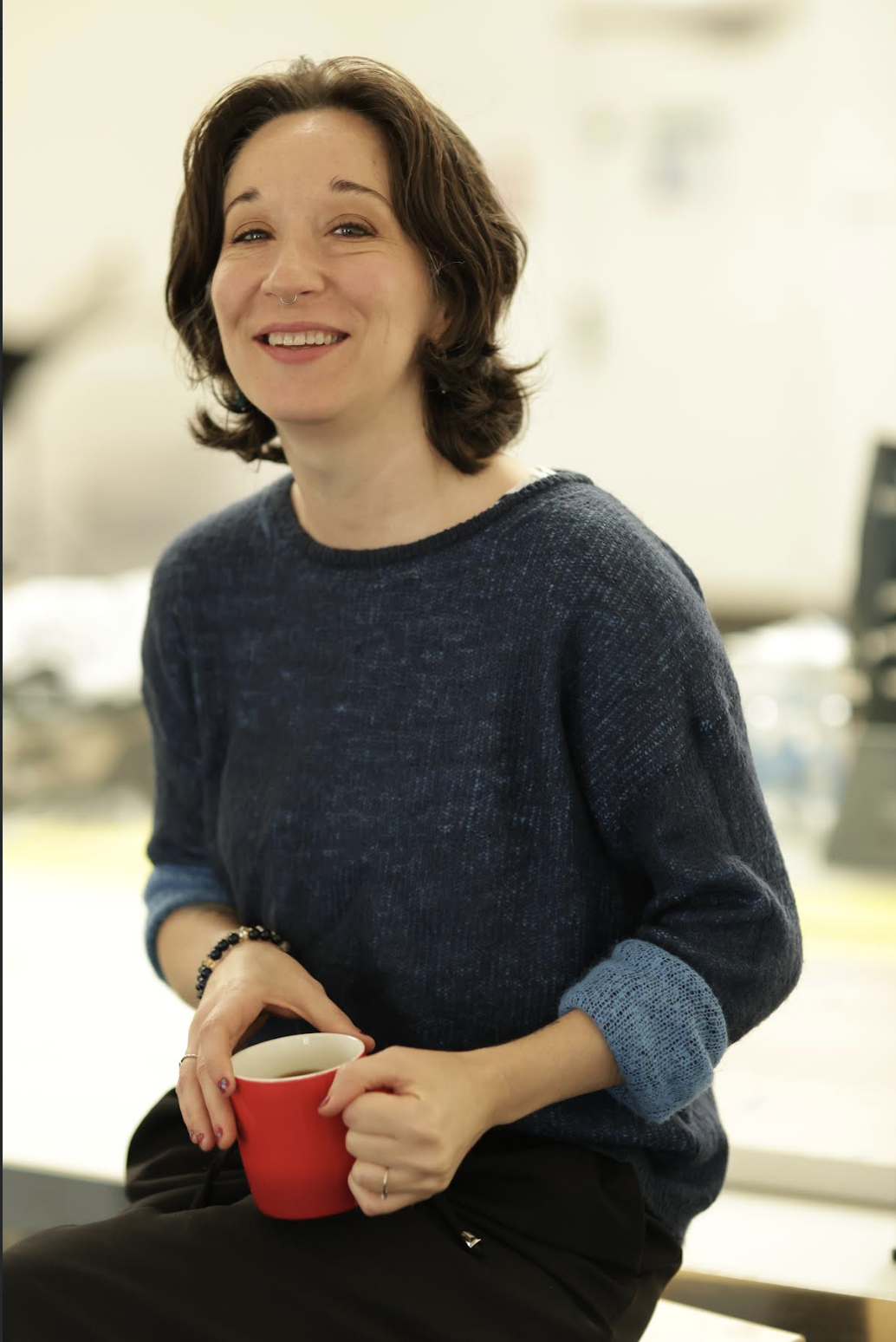
Happier Living’s Dr. Aimee Keith is a licensed clinical psychologist who specializes in eating disorders and obsessive-compulsive spectrum disorders. For today’s Q&A with her, we will focus on eating disorders.
Q: How did you come to specialize in eating disorders?
A: In 2011 I began working as a milieu counselor (AKA floor staff) in a residential treatment center for adolescents with eating disorders. I knew very little about eating disorders when I started and I had a lot of misconceptions. I learned quickly how misguided my thought process was. As I worked with the clients, I developed an understanding for how difficult it is to fight an eating disorder, and I have deep respect for anyone who has to fight that battle every day. Because of my experience there, in 2015, I was able to complete my year-long doctoral internship at a PHP/IOP for adult and adolescent eating disorders. I continued to work there for a decade until I recently left to join Happier Living.
Q: What are some of the most common misconceptions around eating disorders?
A: Eating disorders seem to be one of the most misunderstood disorders. First, many people have only heard of anorexia or bulimia, but there are other types of eating disorders such as Binge Eating Disorder (BED) and Avoidant Restrictive Food Intake Disorder (ARFID). A person can also be diagnosed with Other Specified Feeding and Eating Disorder (OSFED), and most often this includes those with “Atypical Anorexia.”
This is another misconception: that you can tell what type of ED someone has by their body type. There are people who have larger bodies who have all symptoms of anorexia, but are not medically underweight, and so they are diagnosed with atypical anorexia (although everyone in the ED community knows it is not that atypical). Another misconception is that all people in larger bodies have Binge Eating Disorder. In fact, people of all sizes can have this disorder. OSFED (Other Specified Feeding and Eating Disorder), the diagnosis for anyone who doesn't cleanly fit into the criteria (and which is used for Atypical Anorexia), is the most common eating disorder diagnosis, and BED is the second most common eating disorder diagnosis. Not all people in larger bodies overeat. In fact, only 6% of people who have an eating disorder are medically underweight.
Another misconception is that only women are diagnosed with eating disorders. The National Eating Disorder Association (NEDA) reports that 4.07% of men have experienced an ED in their lifetime and that the rate of EDs is growing faster in men than in women. Men also do not only have muscle dysphoria. They can have any type of eating disorder, and BED is diagnosed equally between men and women.
The last big misconception is that you can tell how sick someone is by looking at them or if they are just underweight. I have seen many clients who feel fine, but their labs show a different story. EDs can cause many serious medical complications and has the second highest mortality rate of any mental disorder behind opiate addiction. Clients with ED should always have regular labs and vitals taken, no matter their weight.
Q: Can you explain what is happening psychologically when someone is struggling with an eating disorder?
A: This answer can vary with the type of ED we are talking about, but overall, EDs are always a coping mechanism. They may provide a feeling of control or achievement. They may help a person feel like they are avoiding a dreaded fate (gaining weight and all the feared consequences of that), they may be a distraction or a way to numb emotions, or they may be born from a learned aversion of certain types of foods or a consequence of eating food (nausea, vomiting, choking, allergic reaction, etc).
Q: How can you approach someone you're worried about without making things worse?
A: I think it is ineffective to focus on weight when you talk to them. Focusing on what you notice about their body tends to draw their attention to your attention to their body. You also may be wrong about what is happening, because it is important to remember that we cannot tell if someone has an ED by looking at them. There is also a lot of body dysmorphia that happens for people who have EDs, and EDs like bulimia and anorexia tend to be more ego-syntonic, meaning that the person may not see it as a problem. Instead, focus on behaviors that you notice. Do you notice that they are not eating or that they tend to exercise for long periods of time? Do you notice that they sneak off after meals or find that they’ve been eating in secret? Do you notice that they tend to have a lot of anxiety around meal times? Those are the things to bring up with your concern and to be curious with them about how you can help and what’s going on. Encourage the person to speak to a therapist who has eating disorder experience. Do not suggest people with BED simply lose weight or tell people to “just eat.”
Q: What stops people from seeking treatment? How can that be changed?
A: For disorders like ARFID and BED, a lot of people don’t know that treatment is available. People who have binge eating behaviors are often told to go on diets or to lose weight, or even to get gastric bypass, and in this day, Ozempic is touted as the answer, but for a person with BED, these interventions are actually antithetical to ED treatment.
For those with ARFID, there is treatment for extreme aversion to taste/texture of foods. There is also treatment for people who are afraid of the consequences of eating food. For example, people who have emetophobia (fear of vomiting) often don’t know there is treatment for this or that this is classified as an eating disorder.
For people to get the treatment they need, there needs to be more education and training so that providers can refer to the right types of treatment. There is also a big barrier to care for higher levels of care as many treatment centers do not accept Medicaid or Medicare.
Lastly, one of the biggest barriers to treatment is weight bias. Remember that only 6% of people who have an eating disorder are medically underweight, but many providers are only referring if a person is underweight. Unfortunately, I have had too many clients tell me they were told by a doctor or even a therapist, "You don't look like you have an eating disorder." This is not only detrimental, but is a barrier to assessment, screening, and proper referral. The same symptoms that are concerning for someone in a smaller body are often praised or even prescribed for someone in a larger body, but these restrictive behaviors can be disordered and detrimental for a person living in any size of body.
Q: Is full recovery possible, or is it about managing symptoms long-term?
A: I do think full recovery is possible, but for many people, eating disorder recovery is a long road and it may take years for most of the emotional and mental symptoms to abate. Many medical and physical symptoms are reversible, but some, like bone loss (osteoporosis), are irreversible.
As we all live under the umbrella of diet culture, there are likely to be triggers throughout a person’s life. Certain life events like pregnancy, food insecurity, or illness may trigger symptoms. Dieting can also trigger symptoms, and it is not recommended for someone with a history of eating disorder to diet.
Q: What happens in therapy for eating disorders?
A: Eating disorder therapy is not about the food, but it also is about the food. Often we are focusing on deconstructing the beliefs related to body image and dieting, including any family history or messaging from childhood. Coping skills are taught to manage stress and emotions, but also to help the person challenge themselves to eat all types of foods again. Exposure therapy is often used for foods, restaurants, body image, clothing, etc. Rarely does a person only have an eating disorder so any comorbid conditions are treated as well. Most often this is anxiety or depression, but trauma and OCD are often comorbid as well.
To summarize eating disorder treatment goals, I would say that the goal is to repair the person’s relationship with food, their body, and with exercise so that they can live out their values and not only the values of the eating disorder.
All quoted statistics are from the National Eating Disorders Association (NEDA).
If you are concerned about an eating disorder, Happier Living’s dedicated team of trusted, knowledgeable, and licensed clinicians can help. Get started here.
.jpeg)

.jpeg)
